Türkiye Reaffirms Commitment to Advancing Cooperation on Cyprus Issue
Türkiye has reiterated its dedication to fostering cooperation between the two communities on the island of Cyprus, emphasizing its continued efforts to build mutual trust and promote peaceful coexistence.
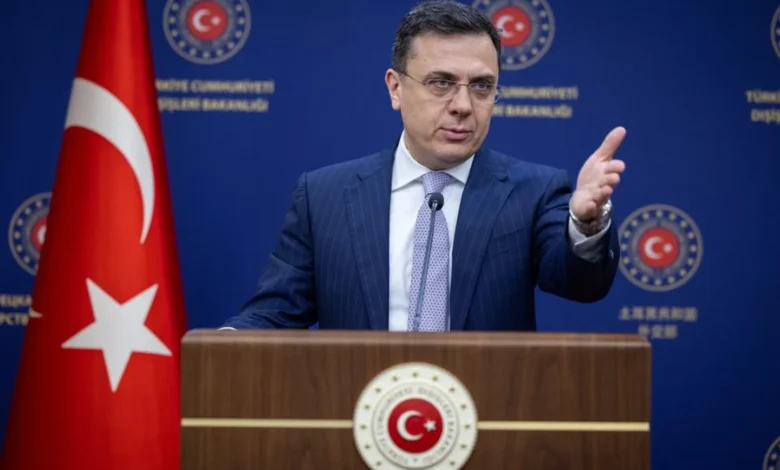
In a statement following an informal meeting on Cyprus at the UN headquarters in New York, Turkish Foreign Ministry spokesperson Oncu Keceli said, “Türkiye will continue our efforts in good faith and close consultation with the Turkish Cypriot side to promote a culture of cooperation between the two sides on the island.”
Keceli noted that Türkiye participated in the meeting — as well as in a previous session in Geneva — in coordination with the Turkish Republic of Northern Cyprus (TRNC), with the aim of taking practical steps toward establishing good neighborly relations.
During the Geneva talks, six areas of potential cooperation were identified. The New York meeting served to review progress made over the past four months, with notable advancements including the formation of a youth-focused technical committee, cemetery restoration, and environmental initiatives.
However, Keceli pointed out that progress stalled in two key areas: the proposed opening of four new border crossings and solar energy projects in the buffer zone. He attributed the deadlock to the Greek Cypriot side, accusing them of backtracking on earlier agreements and introducing new conditions that undermined negotiations, despite the Turkish side’s acceptance of UN compromise proposals.
“The uncompromising stance of the Greek Cypriot side remains the biggest obstacle to meaningful cooperation,” Keceli said, emphasizing that such behavior further validates the TRNC’s two-state solution vision championed by President Ersin Tatar.
Despite the setbacks, the leaders of the Turkish and Greek Cypriot communities — Ersin Tatar and Nikos Christodoulides — agreed during the New York talks to pursue four new areas of cooperation: civil society engagement, cultural heritage exchange, air quality monitoring, and tackling microplastic pollution. Talks on these issues are expected to continue on the island in the coming days.
“Progress on these new areas lays the groundwork for future cooperation in a post-settlement scenario,” Keceli said. However, he warned that continued Greek Cypriot resistance to initiatives like new border crossings demonstrates why a solution outside the two-state framework is increasingly seen as the only viable path forward.
The Cyprus issue has remained unresolved for decades, with multiple rounds of UN-sponsored negotiations failing to yield a comprehensive settlement. The island has been effectively divided since 1974, following a Greek Cypriot coup and subsequent Turkish intervention to protect the Turkish Cypriot community. The TRNC was established in 1983 and is recognized solely by Türkiye.