Trump Calls Modi Four Times, But Indian PM Leaves Him on Hold: German Report

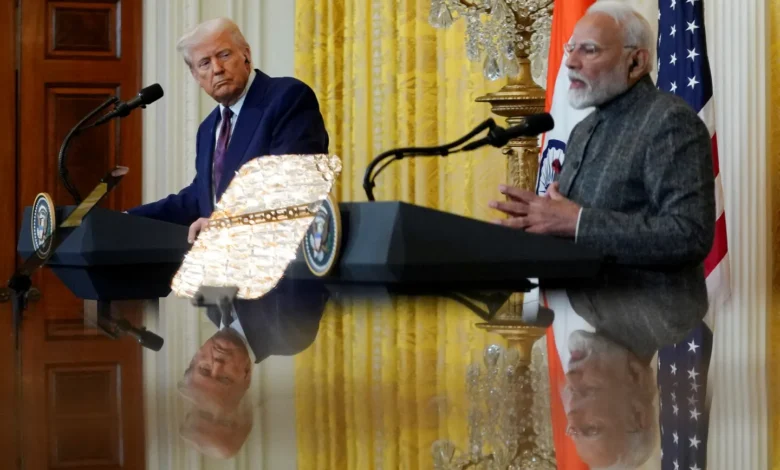
German Report: Modi Leaves Trump on Hold Four Times Amid Trade Tensions
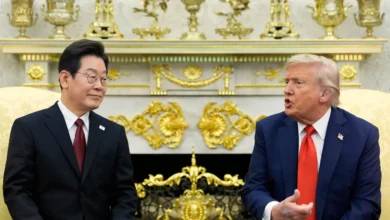
German newspaper Frankfurter Allgemeine Zeitung (FAZ) reports that US President Donald Trump attempted to reach Indian Prime Minister Narendra Modi by phone on four separate occasions in recent weeks, but Modi did not answer.
FAZ interprets Modi’s actions as a mix of “anger” and strategic caution in response to mounting US pressure on India to curb its Russian oil imports. The backdrop includes a major escalation in trade tensions: the Trump administration has imposed a 50 percent tariff on Indian goods—the highest level on any country besides Brazil—while New Delhi continues to purchase discounted Russian oil, further straining bilateral relations.
A calculated diplomatic move
According to FAZ, Modi’s refusal to take the calls appears deliberate, aimed at avoiding Trump’s negotiation style, which often involves announcing deals publicly before formal agreements are reached. A previous example includes Trump claiming a trade deal with Vietnam that never materialized. “Modi doesn’t want to fall into the same trap,” the report notes.
Political analyst Mark Frazier, co‑director of the India‑China Institute at The New School in New York, added that the US strategy in the Indo-Pacific, expecting India to support its containment of China, is faltering. “India never intended to commit to siding with the US against China,” he said.
Additional provocations have further strained ties, including the Trump family’s luxury tower project near Delhi, Trump’s public claims taking credit for the India-Pakistan ceasefire, and hosting Pakistan’s army chief in the Oval Office—actions perceived in New Delhi as deliberate provocations.
Last known contact
The most recent confirmed conversation between the two leaders occurred on June 17, following the Pahalgam terror attacks and India’s subsequent Operation Sindoor. Modi clarified that the US had not mediated the India-Pakistan ceasefire, which occurred directly between New Delhi and Islamabad, initiated by Pakistan. India’s Ministry of External Affairs reiterated that it will never accept third-party mediation in such matters.
India’s strategic shift
FAZ also points out that these developments reflect a broader recalibration of India’s foreign policy. New Delhi appears to be diversifying its strategic partnerships, strengthening ties with China and Russia alongside, rather than relying solely on, the US framework. This shift coincides with India’s upcoming participation in the Shanghai Cooperation Organization (SCO) summit in Tianjin.