Lebanese President Rejects Any Normalisation with Israel, Official Statement Says

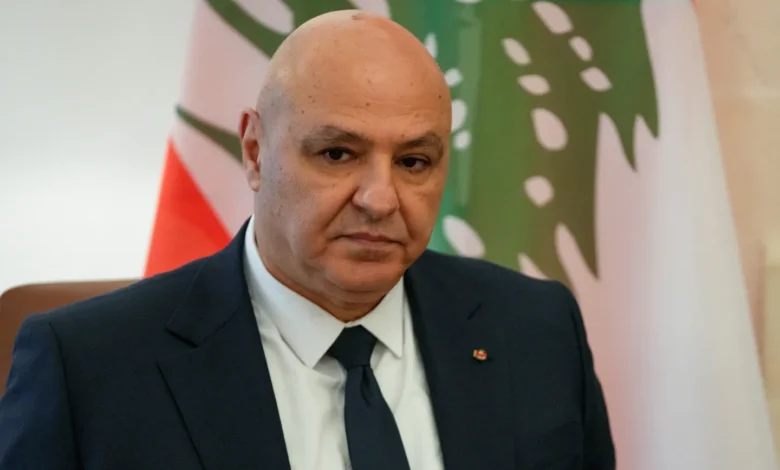
Lebanese President Aoun Rejects Normalisation with Israel, Emphasises Peace
July 11, 2025 — Lebanese President Joseph Aoun has firmly rejected any prospects of normalisation with Israel, stressing that while Lebanon supports peace, formal diplomatic ties with Tel Aviv are not on the table.
In his first official response to recent remarks by Israeli Foreign Minister Gideon Saar — who voiced interest in establishing ties with Lebanon and Syria — Aoun clarified Beirut’s stance during a meeting with an Arab think tank delegation.
“Peace means the absence of war, and that is what matters to us in Lebanon at this moment,” Aoun said. “As for normalisation, it is not currently part of Lebanese foreign policy.”
Lebanon and Syria remain in a technical state of war with Israel since 1948. Syrian officials have similarly deemed talk of normalisation “premature.”
Aoun also reiterated Lebanon’s demand for Israel to withdraw from five contested border areas in southern Lebanon. He accused Israeli forces of obstructing the full deployment of the Lebanese Army to the country’s southern, internationally recognised borders — a key provision under a UN-mediated ceasefire agreement signed to end last year’s conflict with Hezbollah.
Under that deal, Hezbollah is required to pull its forces north of the Litani River, while only the Lebanese Army and UN peacekeepers are permitted to operate in the area.
Meanwhile, in response to US calls for the disarmament of Hezbollah, Lebanese authorities have submitted an official reply to Washington. Though details of the response remain confidential, President Aoun affirmed Beirut’s intent to retain a monopoly on arms within the state.
He hinted, however, that Hezbollah’s disarmament would not occur through confrontation: “This process will consider both national security and civil peace, along with preserving unity.”
Hezbollah remains the only non-state group in Lebanon legally armed after the civil war ended in 1990, justified at the time by the continued Israeli occupation of parts of southern Lebanon. The group has reportedly been significantly weakened following last year’s clashes with Israel, which culminated in a two-month war in September.